
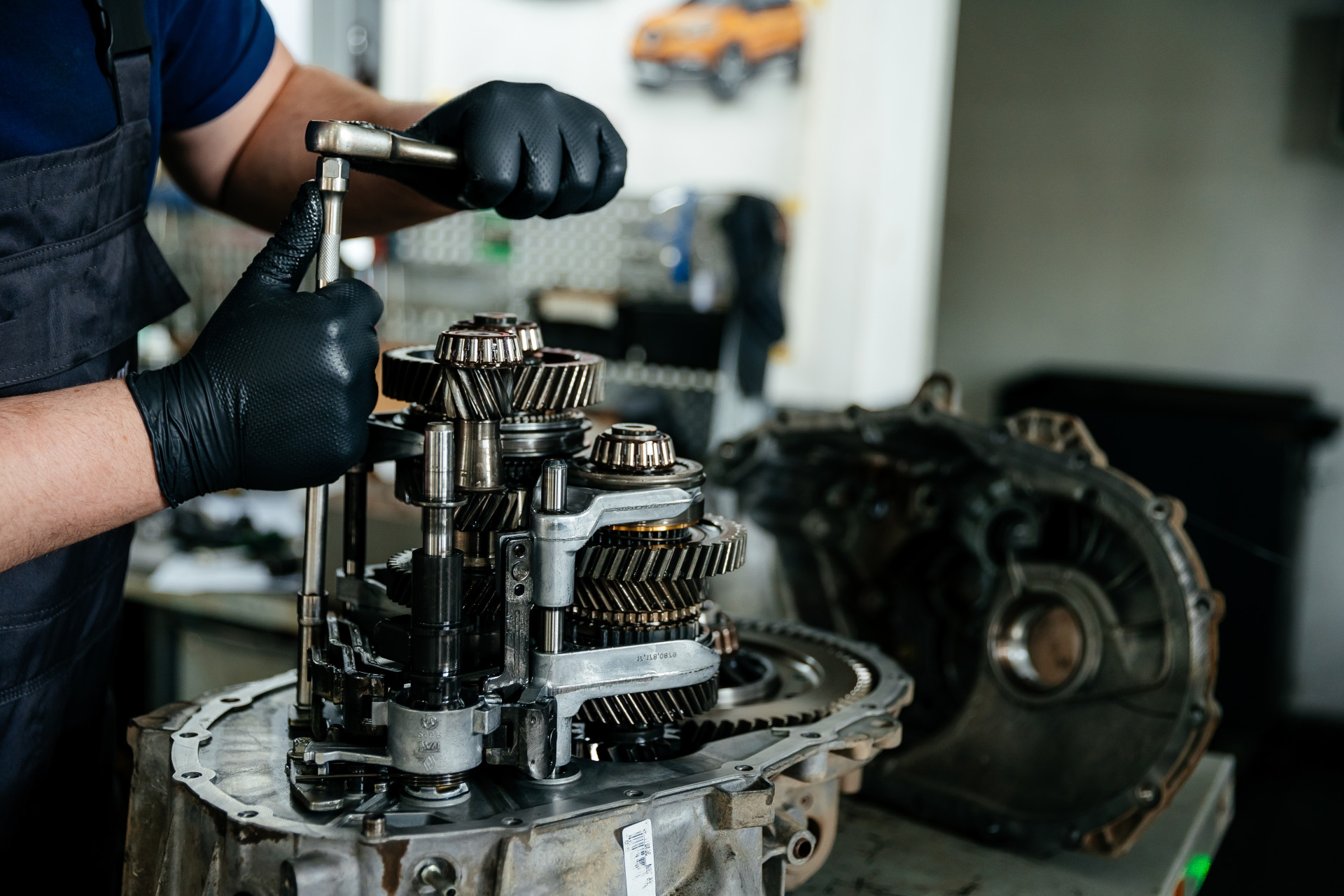
Understanding the Role of a Gearbox in Your Equipment
A gearbox is a crucial component in vehicles, industrial machinery, and heavy equipment, acting as the mechanism that transmits power from the engine to the wheels or working parts. It regulates torque and speed, ensuring machines operate efficiently under varying loads and conditions. Different types of gearboxes exist, including manual, automatic, and industrial, each tailored to specific applications. A well-functioning gearbox ensures smooth gear transitions, reduces energy loss, and maintains optimal performance. Neglecting maintenance can lead to decreased efficiency, increased wear, and unexpected breakdowns. Gearboxes also play a role in safety, as malfunctioning components can cause accidents or severe machinery damage. Understanding how gearboxes work allows operators to recognize issues early and seek appropriate gearbox repair services before minor problems escalate.
Common Gearbox Problems That Require Professional Repair
Gearboxes are designed to handle stress, but over time, issues inevitably arise. Unusual noises such as grinding, whining, or clunking often indicate internal wear or damaged gears. Slipping or delayed gear engagement is another common symptom that points to internal misalignment or worn components. Overheating, fluid leaks, and burning odors are warning signs of lubrication problems or overworked systems. Contamination from dirt, metal shavings, or moisture can accelerate wear and lead to premature failure. Ignoring these signs increases the risk of extensive damage and costly downtime. Early diagnosis and professional gearbox repair services can prevent minor issues from turning into major failures. Regular monitoring of gear performance, noise levels, and fluid conditions is essential for identifying problems before they worsen.
The Process of Professional Gearbox Repair Services
Professional gearbox repair services follow a detailed and methodical approach to restore efficiency and reliability. The first step is a thorough inspection and diagnostic assessment to identify the root cause of the problem. Technicians then disassemble the gearbox, carefully examining each component for wear, cracks, or misalignment. Damaged parts are replaced with genuine or high-quality aftermarket components to ensure optimal performance and longevity. The gearbox is meticulously cleaned to remove debris, sludge, and old lubricant. After reassembly, the system undergoes rigorous testing, including load and speed checks, to confirm smooth operation. This process ensures that the repaired gearbox meets or exceeds original equipment standards.
Subhead: Why Professional Service Matters
Choosing certified gearbox repair services offers numerous advantages:
- Accurate diagnostics using advanced tools and techniques
- Replacement with genuine or OEM parts for durability
- Comprehensive testing to ensure smooth operation
- Detailed service reports for maintenance records
- Faster turnaround time and reduced machine downtime
Professional expertise not only restores functionality but also extends the life of your equipment, ensuring consistent performance under demanding conditions.
The Benefits of Choosing Expert Gearbox Repair Services
Engaging professional gearbox repair services provides long-term benefits for equipment owners and operators. Repairing a gearbox is often far more cost-effective than a full replacement, saving substantial capital expenses. A properly repaired gearbox restores smooth gear transitions, improves fuel efficiency, and enhances overall performance. These services also extend the lifespan of machinery by preventing accelerated wear and tear. Expert repairs come with warranties or guarantees, offering peace of mind for operators who rely on continuous performance.
Additional advantages include:
- Minimized downtime due to prompt and efficient repairs
- Increased machine productivity and reliability
- Reduced energy consumption thanks to optimized gearbox performance
- Access to technical advice and preventive maintenance recommendations
Selecting a skilled repair provider ensures that your machinery remains operational, efficient, and safe, even under demanding conditions.
How to Choose a Reliable Gearbox Repair Service Provider
Choosing the right gearbox repair service provider can determine the quality and longevity of the repair. Experience is a critical factor; providers with extensive knowledge of your specific gearbox type, whether automotive or industrial, can deliver superior results. Certifications and technical training demonstrate a provider’s capability and commitment to quality. A well-equipped workshop with specialized tools and diagnostic equipment ensures that repairs are precise and reliable.
Subhead: Key Factors to Consider When Choosing a Provider
- Years of experience and area of expertise in gearbox repair
- Availability of modern diagnostic technology
- Transparent pricing and clear service estimates
- Positive customer reviews and reputation for reliability
- Warranty coverage and post-service support
Asking the right questions about their process, parts used, and expected repair outcomes helps ensure that your gearbox receives expert care. Reliable providers will provide detailed repair plans, timelines, and performance guarantees.
Preventive Maintenance Tips for Longer Gearbox Life
Preventive maintenance is essential for extending gearbox life and avoiding costly downtime. Regular inspections help detect wear, leaks, or misalignment before major failures occur. Lubrication is critical; using the correct type and quantity of oil ensures smooth operation and reduces friction. Monitoring operating temperature and vibration levels can reveal early signs of problems. Keeping gearboxes clean prevents contamination from dirt or debris that can damage seals and gears. Routine checks also allow operators to address minor issues promptly, avoiding more significant repairs.
Tips for effective gearbox maintenance:
- Establish a regular inspection schedule every three to six months
- Replace lubricants according to manufacturer recommendations
- Monitor for leaks and unusual noise patterns
- Maintain proper alignment between connected components
- Ensure cooling systems are functional to prevent overheating
Consistent preventive care reduces unexpected failures, improves efficiency, and extends equipment lifespan.
When Repair Isn’t Enough: Knowing When to Replace Your Gearbox
There are situations where repair is insufficient, and replacement becomes necessary. Repeated breakdowns or extensive internal damage are clear indicators that a gearbox may have reached the end of its serviceable life. Severe wear, cracked housings, or damaged shafts often make repairs impractical or too costly. Replacement ensures reliable operation, restores performance, and reduces the risk of downtime. A thorough evaluation by a professional can help determine whether repair or replacement is the more practical option. Cost-benefit analysis, equipment age, and operational demands should all be considered when making this decision. Choosing the right path ensures long-term efficiency and prevents recurring mechanical issues.
The Role of Technology in Modern Gearbox Repair Services
Modern gearbox repair services increasingly rely on advanced technology to enhance accuracy and efficiency. Diagnostic software and precision instruments allow technicians to identify problems that are not visible to the naked eye. Vibration analysis, thermography, and computer modeling help detect wear, misalignment, and potential failures before they become severe. Predictive maintenance technology enables operators to plan repairs proactively, reducing downtime and preventing costly emergencies. These innovations improve repair quality, reduce human error, and optimize equipment performance.
Subhead: Benefits of Technology in Gearbox Repairs
- Early detection of potential issues before major failure
- Accurate assessment of component wear and tear
- Reduced repair time through precise diagnostics
- Enhanced predictive maintenance planning
- Better performance and longevity of repaired gearboxes
Incorporating technology into gearbox repair services ensures machinery operates efficiently and reliably in the long term.
Frequently Asked Questions
- How long does a typical gearbox repair take?
Repair duration varies depending on the severity of the issue and gearbox type, ranging from a few hours to several days. - What is the difference between gearbox repair and gearbox rebuild?
Repair often involves fixing specific issues or replacing individual components, while a rebuild entails complete disassembly, inspection, replacement of worn parts, and reassembly. - How can I tell if my gearbox needs repair or replacement?
Signs include unusual noises, slipping gears, fluid leaks, overheating, and repeated breakdowns. A professional diagnostic assessment provides a definitive answer. - Are gearbox repair services covered under warranty?
Many professional repair providers offer warranties on parts and labor, but coverage varies by provider, so it is important to confirm before service. - How often should I service my gearbox to prevent major issues?
Routine maintenance every three to six months, including inspections and lubrication, helps prevent failures and extends gearbox lifespan.
Takeaway
Regular maintenance, timely repairs, and choosing professional gearbox repair services are essential to ensure your machinery operates efficiently and reliably. Addressing issues early prevents costly downtime, reduces wear, and extends the life of equipment. Leveraging skilled technicians, genuine components, and advanced technology guarantees smooth performance and peace of mind for operators and business owners. Investing in proper care today ensures long-term efficiency, safety, and productivity for any vehicle or industrial machinery relying on gearboxes.