
Understanding the Role of a Car Transmission
The car transmission plays a vital role in how your vehicle performs on the road. It’s responsible for transferring power from the engine to the wheels, ensuring that the right amount of energy reaches them depending on your speed and driving conditions. Without a properly functioning transmission, your vehicle wouldn’t be able to shift gears smoothly or maintain consistent power delivery. There are different types of transmissions found in vehicles today — automatic, manual, and continuously variable transmissions (CVT). Each has its own unique design and operation, but all serve the same purpose: optimizing your car’s performance and fuel efficiency. Over time, wear and tear, heat, and poor maintenance can cause transmission issues. That’s why understanding its function is the first step toward preventing costly repairs. Knowing how the system works allows car owners to detect potential problems early and take preventive action before they escalate.
Warning Signs That Indicate Transmission Trouble
Your vehicle’s transmission will usually show clear warning signs before a serious breakdown occurs. Paying attention to these indicators can save you from costly repairs and potential road accidents. Common signs of trouble include slipping gears, where the vehicle unexpectedly changes gears or struggles to stay in one. You might also notice delayed or jerky shifting when accelerating. Unusual sounds, such as grinding, whining, or clunking noises, can also point to internal damage. Another red flag is leaking or burnt-smelling transmission fluid, which often signals overheating or a damaged seal.
Watch for these additional warning signs:
- Warning lights appearing on the dashboard
- Hesitation when switching from park to drive or reverse
- Vibrations or shuddering while driving
- Fluid stains under your vehicle after parking
Ignoring these symptoms can lead to more serious damage. Early detection through professional inspection ensures your transmission can be repaired rather than replaced, saving time and money in the long run.
Common Causes of Transmission Failure
Transmission failure rarely happens overnight—it’s typically the result of accumulated issues over time. One of the leading causes is low or dirty transmission fluid. When fluid becomes contaminated, it loses its ability to cool and lubricate internal components properly. Overheating is another major culprit, often caused by towing heavy loads or neglecting regular fluid changes. A faulty torque converter or clutch can also lead to transmission malfunction, especially in vehicles with high mileage.
Other common causes include:
- Ignoring warning lights and maintenance schedules
- Using the wrong type of transmission fluid
- Aggressive driving habits and abrupt gear shifts
- Lack of professional inspection or tune-ups
Small problems can quickly escalate if not addressed. By maintaining good driving habits and ensuring regular servicing, you can extend your transmission’s lifespan and avoid unexpected breakdowns.
The Transmission Repair Process: What to Expect
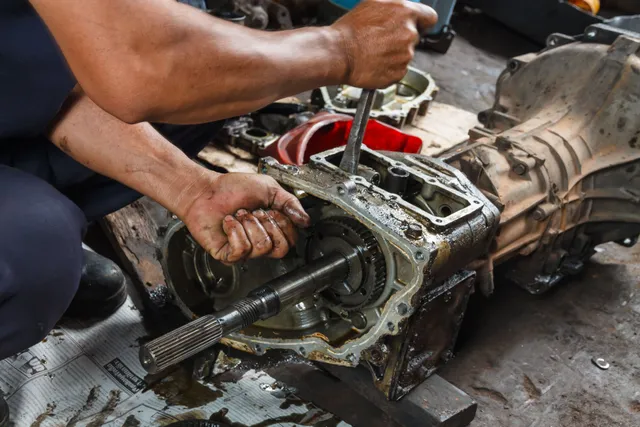
When it comes to car transmission repair, understanding the process can help you feel more confident about the service. It usually begins with a diagnostic evaluation, where technicians use computerized tools to identify error codes and performance issues. After diagnosis, the mechanic determines whether a repair, rebuild, or full replacement is necessary. Repair involves fixing specific damaged components, while a rebuild requires disassembling the transmission to replace worn parts and reassemble it to factory standards.
During a typical repair, technicians may focus on:
- Replacing seals, gaskets, or filters
- Repairing or replacing the torque converter
- Flushing and refilling the transmission fluid
- Adjusting or replacing sensors and solenoids
The process can take several hours to a few days depending on the severity of the problem. Labor costs, parts availability, and the make of your vehicle also influence pricing. Advanced diagnostic technology has made modern transmission repair more accurate and efficient than ever before, reducing downtime for car owners.
How to Choose a Reliable Car Transmission Repair Service
Selecting the right service provider for car transmission repair makes all the difference in ensuring quality and reliability. Not all repair shops have the expertise or tools to handle complex transmission systems, especially with modern vehicles that rely on electronic components. A reliable repair shop should have certified transmission specialists who are experienced with your vehicle’s make and model.
When evaluating repair centers, consider these factors:
- Certifications from recognized automotive organizations
- Positive reviews and a solid local reputation
- Transparent pricing and detailed repair estimates
- Use of original equipment manufacturer (OEM) parts
- Warranty coverage on parts and labor
Avoid shops that provide vague estimates or rush diagnostics. A trustworthy technician will explain the issue in detail and recommend the most cost-effective solution. Choosing a dedicated transmission specialist ensures your vehicle receives the care it needs for lasting performance and safety.
Preventive Maintenance Tips to Extend Transmission Lifespan
Proper maintenance is the most effective way to prevent transmission problems. One of the easiest steps is to regularly check and replace your transmission fluid as recommended by your vehicle manufacturer. The fluid should always be clean and at the right level to ensure smooth operation. Using the correct type of fluid for your transmission is equally important, as the wrong formula can cause premature wear.
Here are a few essential maintenance tips:
- Schedule routine inspections by a certified technician
- Avoid towing loads that exceed your vehicle’s capacity
- Let your car warm up before driving in cold weather
- Address small leaks or performance changes immediately
- Keep your engine’s cooling system in good condition
Aggressive driving, such as rapid acceleration or frequent gear changes, also puts unnecessary strain on the transmission. For newer vehicles, software updates from manufacturers can enhance shifting performance and fuel efficiency, so keeping your system updated is beneficial.
The Cost Factor: Understanding Transmission Repair Pricing
Transmission repair costs can vary widely depending on several factors. The type of transmission—automatic, manual, or CVT—plays a major role in determining repair complexity and expense. Automatic transmissions generally cost more to repair because of their intricate design and electronic systems. On average, minor repairs like fluid replacement or sensor adjustments are affordable, while major repairs or rebuilds can reach into the thousands.
Cost is influenced by:
- The make and model of the vehicle
- The extent of internal damage
- Labor rates at the repair shop
- Availability of replacement parts
Sometimes, replacing the entire transmission might be more practical than repeated repairs, especially for older vehicles. Investing in regular maintenance helps avoid these high costs. Ultimately, timely servicing is far more affordable than dealing with a complete system failure.
How Modern Technology Improves Transmission Reliability
Today’s car transmissions benefit from advanced technology that enhances both performance and longevity. Computer-controlled systems ensure smoother shifting, improved fuel economy, and better adaptability to driving conditions. Hybrid and electric vehicles use specialized transmission systems that are more efficient and require less frequent maintenance.
Modern improvements include:
- Electronic control units (ECUs) that monitor gear shifts
- Predictive diagnostics that alert drivers before issues arise
- AI-powered sensors that track fluid temperature and pressure
- Lightweight materials that reduce heat and wear
Technology not only improves reliability but also helps technicians identify problems faster and more accurately. As vehicles continue to evolve, transmission systems will become even more durable, efficient, and environmentally friendly.
Frequently Asked Questions (FAQ)
Q1: How often should I have my transmission fluid checked?
It’s best to check your transmission fluid every 30,000 to 60,000 miles, or as specified in your car’s manual.
Q2: Is it better to repair or replace a failing transmission?
It depends on the damage. Minor issues can often be repaired, but extensive damage may require a rebuild or replacement.
Q3: What causes transmission fluid to burn or darken quickly?
Overheating, contaminated fluid, or mechanical friction within the system can cause the fluid to darken or emit a burnt odor.
Q4: Can I drive my car if the transmission is slipping?
It’s not advisable. Driving with a slipping transmission can worsen the damage and pose safety risks.
Q5: How do I know if my mechanic specializes in transmission repair?
Look for certifications, specialized tools, and experience with transmissions. Ask about warranty options and diagnostic procedures before approving any work.
Takeaway
Car transmission repair is a critical aspect of vehicle maintenance that directly impacts performance, safety, and longevity. Recognizing early signs of trouble, choosing a qualified repair service, and maintaining proper fluid levels all play vital roles in keeping your transmission in top condition. By investing in preventive care and professional inspections, you can extend your car’s life, enhance its efficiency, and ensure every drive remains smooth and dependable.