
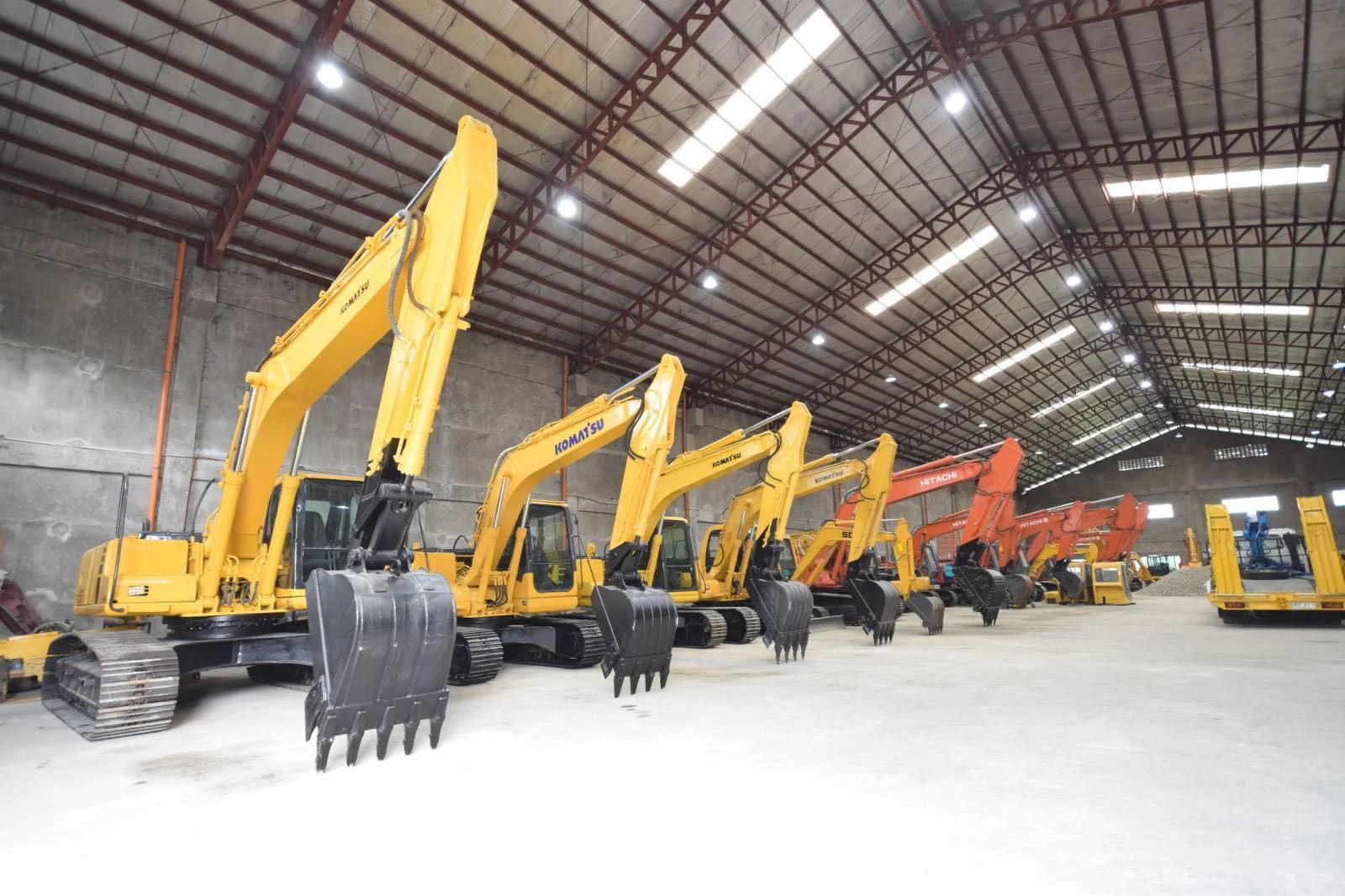
Identifying Heavy Equipment Requirements for Your Business
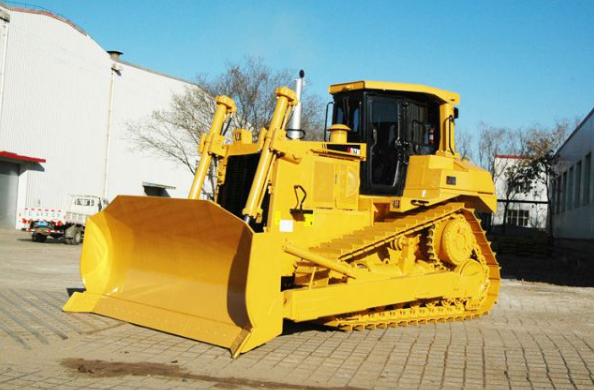
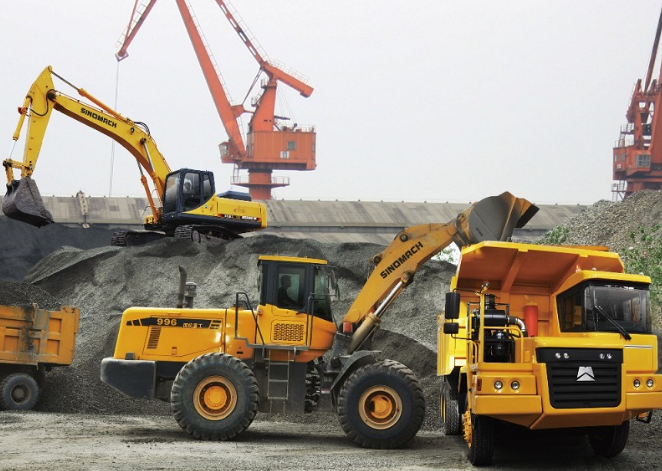
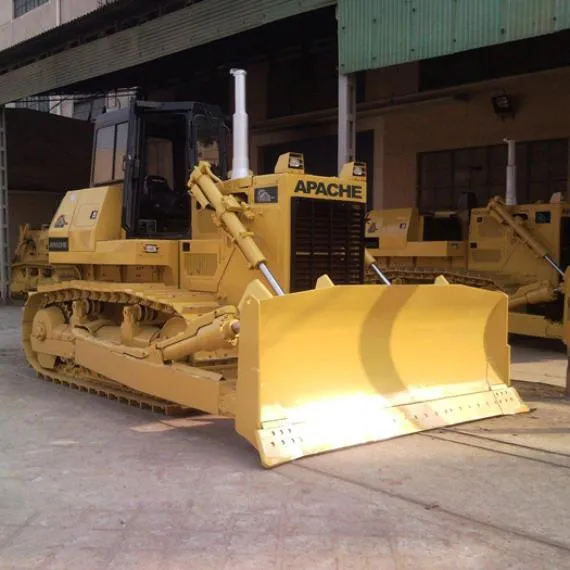
Heavy equipment is a cornerstone for industries like construction, mining, agriculture, and infrastructure development in the Philippines. Businesses depend on machinery such as excavators, cranes, bulldozers, and forklifts to complete projects efficiently and on schedule. Before engaging with a supplier, it is critical to understand the specific requirements of your operation. Construction firms often need earthmoving and lifting machines, while agricultural businesses may prioritize tractors and harvesters. Using the wrong equipment can result in operational delays, increased costs, and safety hazards. Geography also plays a role; machines need to perform well in urban, coastal, or mountainous environments. Partnering with a knowledgeable heavy equipment supplier Philippines-wide ensures the selection of machinery that aligns with project scope, durability requirements, and budget.
Heavy Equipment Market Trends in the Philippines
The Philippine heavy equipment market is rapidly evolving due to infrastructure expansion, urban development, and mining activities. Government programs for roads, bridges, and airports increase demand, while private companies continue to invest in construction machinery. Despite the growth, businesses often encounter challenges such as inconsistent equipment availability and fluctuating pricing. Many suppliers now offer both new and used machinery to address budget and timeline constraints. Advanced technologies, like fuel-efficient engines and GPS-enabled machines, are becoming increasingly common. Market awareness allows companies to select suppliers that meet current and future demands effectively. Staying informed about trends in the heavy equipment industry can give businesses a significant operational advantage.
Essential Qualities in a Heavy Equipment Supplier
A strong supplier provides more than just machinery; they offer reliability, variety, and support. Product diversity is key, including excavators, cranes, loaders, bulldozers, and forklifts. Equipment quality should come from reputable brands known for durability and performance. Maintenance and after-sales support are crucial to avoid operational interruptions. Flexible financing options, such as loans, leasing, or rentals, make it easier for businesses to acquire high-cost machinery. The supplier’s logistics and delivery capabilities impact project timelines significantly. A supplier who understands your business and industry needs is a partner in achieving project efficiency and safety.
Supplier Features to Look For
- Extensive inventory of construction, mining, and agricultural machinery
- Availability of both new and pre-owned equipment
- Comprehensive after-sales support and service agreements
- Financing, leasing, and rental options to fit different budgets
- Fast delivery and responsive customer service
Comparing Local and International Suppliers
Businesses have the choice between local and international heavy equipment suppliers, each with distinct advantages. Local suppliers usually provide faster delivery, lower shipping costs, and personalized service. They also have a better understanding of local regulations and operational conditions. International suppliers may offer the latest technology and specialized machinery not readily available locally. Importing equipment involves additional shipping, taxes, and customs requirements, which may extend project timelines. Depending on project size and urgency, a combination of local and international sourcing may provide the best results. Evaluating the specific needs of your projects helps in making the right decision.
Steps to Evaluate and Select a Supplier
Vetting a supplier ensures reliability, quality, and long-term support. Confirming licenses and certifications validates compliance with safety and industry standards. Customer testimonials and references reveal past performance and service quality. Assess warranty and maintenance agreements to protect against unexpected breakdowns. Check the availability of spare parts and emergency support to minimize downtime. Comparing multiple suppliers highlights differences in pricing, service, and equipment quality. Visiting supplier facilities provides a direct view of machinery condition and operational processes. Proper evaluation reduces risks and improves project efficiency.
Technological Innovations in Heavy Machinery
Technology is transforming how heavy equipment operates, increasing productivity and safety. Telematics and GPS tracking improve machine monitoring, fuel efficiency, and workflow management. Automation in excavators, loaders, and other machinery reduces human error and enhances safety. Eco-friendly engines and lower-emission machines meet environmental regulations while reducing operational costs. Suppliers increasingly provide machinery with diagnostic systems to identify maintenance needs proactively. Adopting these advancements enables businesses to optimize projects and achieve long-term operational benefits. Choosing a technologically advanced supplier ensures access to modern, reliable equipment.
Financing and Leasing Options
Acquiring heavy machinery is a significant investment, making financing options essential. Equipment loans allow businesses to purchase high-value machinery while spreading costs over time. Leasing and rental programs are ideal for short-term projects or seasonal work, reducing upfront expenses. Suppliers often offer flexible plans tailored to project requirements. Decision factors between buying and renting include project duration, frequency of use, and budget constraints. Considering total cost of ownership—including maintenance, fuel, and insurance—is crucial for informed decisions. Many heavy equipment suppliers Philippines-wide offer tailored financial solutions to meet diverse business needs.
Maintenance, Training, and Support Services
Maintenance and operator training are vital for maximizing equipment lifespan and operational safety. Routine servicing prevents breakdowns, reduces repair costs, and ensures machinery runs efficiently. Reputable suppliers provide training programs for operators to handle machinery safely. Access to spare parts and emergency support minimizes project downtime. Some suppliers offer performance monitoring to predict maintenance needs and avoid unexpected failures. Establishing regular maintenance agreements ensures long-term reliability and efficiency. Companies that prioritize training, support, and maintenance maximize productivity and safeguard investments.
Future of Heavy Equipment Supply in the Philippines
The heavy equipment sector in the Philippines is set to grow with increasing infrastructure projects and industrial expansion. Modern machinery, eco-friendly engines, and automation will shape future supplier offerings. Urbanization and government initiatives drive higher equipment demand. Businesses investing in advanced machinery today gain operational flexibility and efficiency in the long term. Suppliers adopting technological innovations and providing comprehensive services will dominate the market. Staying aware of market trends allows companies to make strategic investments. Reliable suppliers play a crucial role in helping businesses meet project demands efficiently.
Frequently Asked Questions (FAQ)
1. What are the most commonly supplied heavy equipment types in the Philippines?
Excavators, bulldozers, cranes, forklifts, loaders, and graders are among the most commonly supplied machines for construction, mining, and agriculture.
2. How can I verify a heavy equipment supplier’s reliability?
Check licenses, certifications, customer reviews, warranty and service agreements, and consider visiting the supplier’s facility.
3. Is leasing heavy machinery a viable option?
Yes. Leasing or rental programs are ideal for temporary or seasonal projects, reducing upfront costs and providing access to modern machines.
4. What costs are involved in importing heavy equipment?
Shipping, import duties, taxes, customs clearance, and insurance are common costs. Additional fees may apply for specialized machinery.
5. Do suppliers offer operator training programs?
Yes. Many suppliers provide training to ensure safe and efficient operation, reducing accidents and improving project productivity.
Takeaway
Selecting a trustworthy heavy equipment supplier Philippines-wide requires careful evaluation of product quality, support services, financing options, and technological capabilities. Considering both local and international suppliers provides flexibility depending on project requirements. Investing in high-quality machinery, operator training, and proper maintenance ensures long-term efficiency and safety. Businesses that stay informed on market trends and emerging technologies gain a competitive edge. A reliable heavy equipment supplier not only provides machines but also contributes to operational success, cost efficiency, and project excellence across industries.