
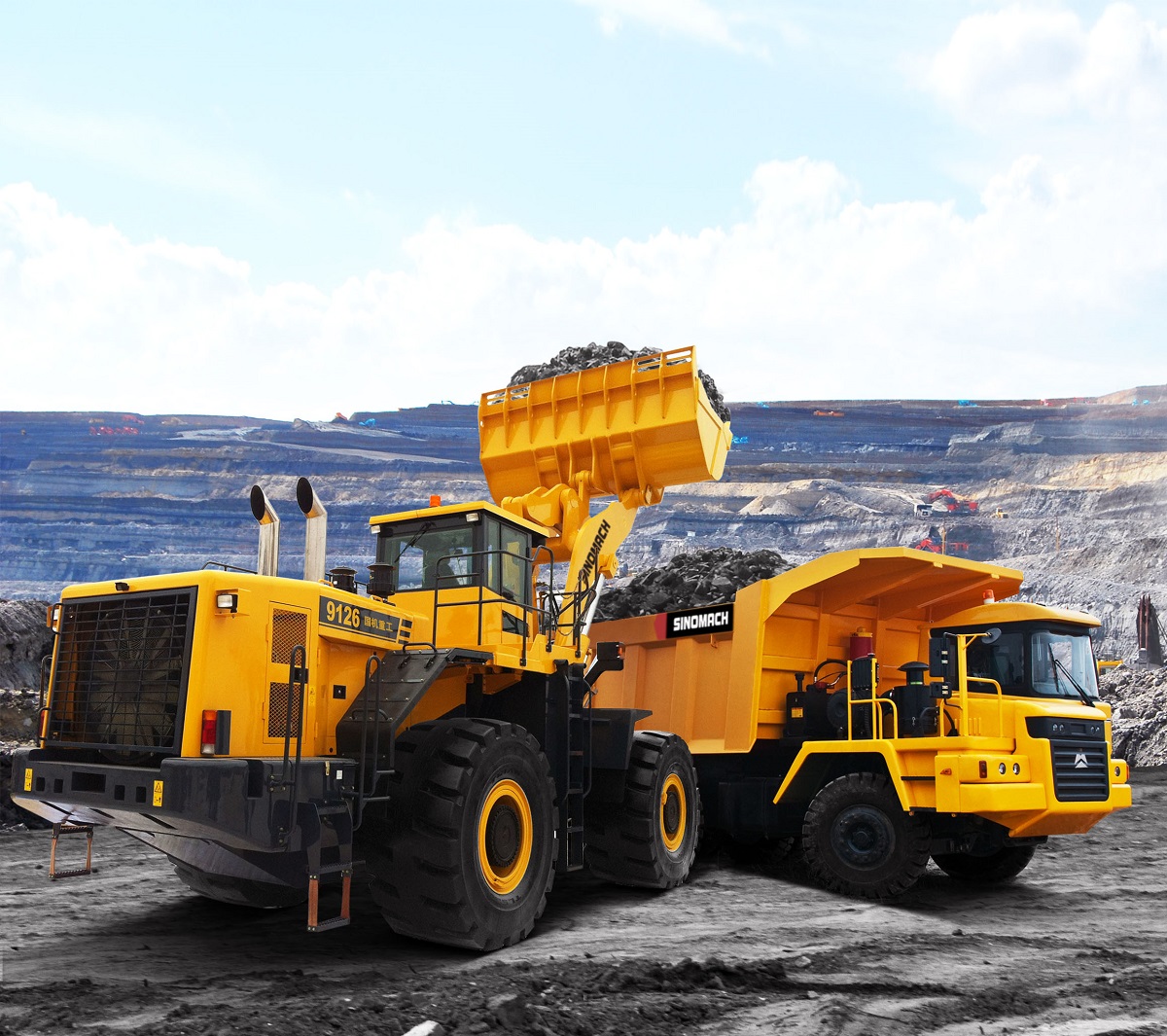
Understanding Loaders and Their Role in Philippine Industries
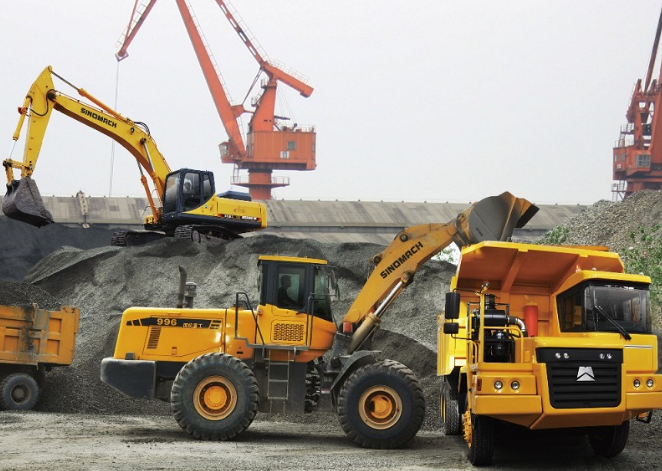
Loaders are indispensable machines for businesses involved in construction, mining, agriculture, and industrial operations. They are designed to handle heavy materials efficiently, reducing manual labor and speeding up project timelines. In the Philippines, loaders play a critical role in infrastructure projects, road construction, and urban development. There are several types of loaders to consider: wheel loaders for large-scale operations, skid steer loaders for compact or hard-to-reach areas, and versatile compact loaders for smaller projects. Each type has specific advantages depending on the nature of the work. Choosing the right loader ensures operational efficiency, safety, and long-term cost savings. Partnering with a trusted loader supplier in the Philippines allows businesses to access equipment tailored to their project requirements.
Key Considerations When Choosing a Loader Supplier
Selecting a reliable loader supplier is a major decision that impacts productivity and equipment longevity. Start by evaluating the supplier’s reputation and presence in the Philippine market. Check if they offer a variety of brands and models to match different operational needs. Decide whether new or refurbished loaders best fit your budget and project demands. After-sales support is crucial, including warranty coverage, availability of spare parts, and prompt service. Delivery logistics within the Philippines also play a significant role, especially for businesses operating outside major cities. Consider suppliers that provide technical advice and guidance to help select the most suitable equipment. Transparent communication, fair pricing, and responsiveness are strong indicators of a dependable supplier.
Popular Loader Brands in the Philippine Market
The Philippine market has access to several globally recognized loader brands, each offering unique features. Caterpillar is renowned for its durability, advanced engineering, and suitability for heavy-duty tasks. Komatsu loaders are valued for fuel efficiency and high productivity, ideal for industrial and large-scale construction projects. Volvo loaders provide operator comfort, advanced safety systems, and consistent performance under demanding conditions. Other brands cater to specialized applications, such as compact or multi-purpose loaders for urban and landscaping projects. Understanding each brand’s strengths allows businesses to match machines to project requirements effectively. Suppliers can guide companies in selecting loaders that align with both operational and budgetary considerations. Choosing the right brand can enhance efficiency, safety, and overall project success.
Pricing and Financing Options for Loaders
Loader prices in the Philippines depend on type, brand, size, and whether the machine is new or refurbished. Wheel loaders typically cost more due to their capacity and capabilities, while compact and skid steer loaders are more affordable. Refurbished loaders offer a lower initial investment but may come with limited warranty and shorter service life. Many suppliers provide financing or leasing options, helping businesses manage costs while acquiring the necessary equipment. Leasing is often ideal for short-term or seasonal projects. Financing programs from suppliers or banks can be customized according to business needs and project scale. It is important to evaluate the total cost of ownership, including fuel, maintenance, and operational efficiency, to ensure a sound investment decision.
Maintenance and Support Services Offered by Suppliers
Proper maintenance is essential to maximize a loader’s lifespan and performance. Reputable suppliers in the Philippines provide preventive maintenance services, including inspections, lubrication, and component checks. Operator training programs are available to ensure machinery is handled safely, reducing the likelihood of accidents or damage. On-site repair services allow businesses to quickly resolve breakdowns and minimize downtime. Access to genuine parts guarantees reliable replacements that maintain machine efficiency. Some suppliers offer emergency repair services and technical advice to assist in unexpected situations. Choosing a supplier with comprehensive maintenance programs ensures smooth operations, improved safety, and reduced long-term costs. Regular support also strengthens the business-supplier relationship for ongoing equipment needs.
Evaluating Supplier Reliability and Trustworthiness
Reliability and trustworthiness are key factors when choosing a loader supplier in the Philippines. Verify supplier certifications, licenses, and compliance with local regulations to ensure legitimacy. Reading reviews, asking for references, and checking industry recommendations provides insight into supplier performance. Visiting the supplier’s facility or requesting demonstration units allows firsthand evaluation of equipment quality. Suppliers who prioritize long-term partnerships demonstrate commitment to ongoing service and support. Transparent pricing, financing, and warranty policies reflect professionalism and integrity. Comparing multiple suppliers and their offerings ensures informed decision-making. A dependable supplier provides not just machinery, but guidance, expertise, and responsive support for business success.
Industry Trends and Technological Advancements in Loaders
Technological innovations are transforming how loaders operate in the Philippines. Eco-friendly and fuel-efficient models are increasingly preferred due to rising fuel costs and environmental regulations. Smart loaders with telematics enable real-time monitoring of performance, maintenance schedules, and operator efficiency. Compact and multi-purpose loaders are increasingly used in urban projects requiring versatility in tight spaces. Automation and advanced safety features improve operator comfort and minimize workplace accidents. Suppliers often offer integrated solutions such as fleet management and preventive maintenance systems. Keeping up with these trends helps businesses select a loader supplier in the Philippines that provides modern, efficient, and cost-effective solutions. Adopting innovative technology ensures long-term productivity and competitiveness.
Frequently Asked Questions (FAQ)
Q1: What is the typical lifespan of a loader in the Philippines?
With proper maintenance, loaders can last between 8 and 15 years depending on usage intensity and working conditions.
Q2: Do suppliers offer operator training programs?
Yes, many loader suppliers provide training to ensure safe and efficient operation, which also extends machine life.
Q3: Are warranties available for refurbished loaders?
Some suppliers offer limited warranties for refurbished machines, typically covering major components for a specific period.
Q4: How long does it take for delivery within the Philippines?
Delivery depends on the supplier’s logistics network and project location, with urban areas generally receiving faster service than remote sites.
Q5: What safety standards should loaders meet in the Philippines?
Loaders must adhere to Occupational Safety and Health standards, manufacturer guidelines, and local regulations regarding heavy machinery operation.
Takeaway
Finding the right loader supplier in the Philippines requires careful consideration of equipment types, brands, pricing, and service offerings. Reliable suppliers provide more than just machines—they offer maintenance support, operator training, and technical expertise that ensures long-term operational success. With emerging trends in fuel efficiency, smart technology, and compact machinery, businesses benefit from choosing suppliers that deliver modern solutions aligned with project needs. Evaluating supplier reliability, reviewing customer feedback, and inspecting demonstration units can help ensure informed decisions. Partnering with a trustworthy loader supplier in the Philippines allows businesses to improve efficiency, reduce downtime, and maximize return on investment. Making the right choice in a supplier ultimately strengthens project outcomes and supports business growth in construction, mining, and industrial operations.