
What Makes a Gearbox Specialist Essential for Vehicle Maintenance
A Gearbox Specialist plays a vital role in keeping your vehicle running smoothly and efficiently. The gearbox, also known as the transmission, is responsible for transferring engine power to the wheels. When it malfunctions, even a minor issue can lead to poor performance, excessive fuel consumption, or complete breakdown. Unlike a general mechanic, a Gearbox Specialist focuses exclusively on diagnosing, repairing, and maintaining transmission systems, whether manual or automatic. This specialization ensures that every component—from gears and clutches to torque converters—is inspected and fine-tuned with expert precision. The professional touch of a specialist helps prevent major damage that often results from neglect or improper handling. Regular gearbox servicing doesn’t just maintain performance; it enhances your vehicle’s lifespan and safety on the road. For drivers seeking long-term reliability, consulting a qualified Gearbox Specialist is a crucial step in responsible car ownership.
Common Signs Your Gearbox Needs Expert Attention
Recognizing early signs of gearbox problems can save you from expensive repairs and avoid sudden breakdowns. A Gearbox Specialist often encounters vehicles suffering from preventable damage due to ignored symptoms. Common indicators include slipping gears, where the vehicle unexpectedly changes gear during acceleration, and grinding noises when shifting. You might also notice delayed gear engagement, jerky movements, or a burning smell, which typically points to overheating or fluid contamination. Transmission fluid leaks are another warning sign that your gearbox needs professional inspection. If your car vibrates excessively or struggles to move despite engine power, it’s time for a gearbox assessment. Neglecting these issues can cause internal wear, leading to complete gearbox failure and costly replacements. Early diagnosis by a Gearbox Specialist not only resolves these issues quickly but also ensures your driving experience remains smooth, quiet, and responsive.
The Core Responsibilities of a Gearbox Specialist
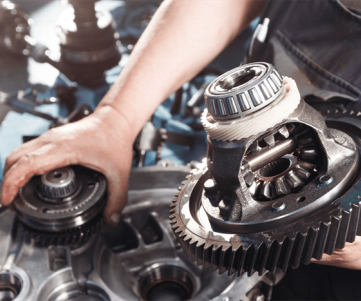
A Gearbox Specialist’s job involves more than simple repairs—it’s a blend of technical skill, diagnostic expertise, and mechanical precision. Specialists use advanced diagnostic tools to identify underlying issues that may not be immediately visible. They handle gearbox rebuilding, component replacement, and recalibration to restore optimal function. A large part of their work includes maintenance, such as checking fluid levels, inspecting seals, and cleaning components to prevent debris buildup. During gearbox repair, each gear and bearing is carefully examined to ensure alignment and smooth operation. After repairs, specialists perform thorough road testing to verify performance and accuracy. These detailed procedures highlight why gearbox servicing is best left to certified experts who understand every nuance of transmission systems. By entrusting your vehicle to a skilled Gearbox Specialist, you ensure that every repair enhances both safety and driving performance.
Manual vs. Automatic Gearbox: How Specialists Handle Each Type
While both manual and automatic gearboxes serve the same purpose, their mechanics and maintenance requirements differ significantly. A Gearbox Specialist must understand how to handle each with specific techniques and tools. Manual gearboxes rely on mechanical linkages and clutches, requiring precise calibration to ensure seamless gear shifts. On the other hand, automatic transmissions involve hydraulic systems, sensors, and complex electronic components that demand specialized diagnostic expertise. Servicing an automatic gearbox typically includes checking the transmission fluid, solenoids, and control modules. For manual gearboxes, clutch adjustments and gear synchronizer inspections are essential. A qualified specialist tailors the repair approach based on gearbox type, ensuring efficient performance without compromising durability.
Specialists typically focus on:
- Replacing worn-out clutches and bearings
- Calibrating automatic transmission systems
- Inspecting hydraulic valves and solenoids
- Testing gearbox sensors and computer modules
- Conducting test drives for performance validation
Whether you drive a classic manual or a modern automatic, choosing a professional Gearbox Specialist guarantees that your transmission system receives expert care tailored to its design and function.
The Process of Professional Gearbox Inspection and Repair
Gearbox inspection and repair require a structured approach to ensure accuracy and reliability. A Gearbox Specialist begins with a full diagnostic scan to identify fault codes and evaluate fluid conditions. Once the problem is confirmed, the gearbox is disassembled to inspect internal components such as gears, bearings, seals, and synchronizers. Damaged parts are replaced with genuine manufacturer-approved components to maintain performance standards. Specialists then clean the entire system to remove metal shavings or contaminants that could cause future wear. The gearbox is reassembled with precision, lubricated, and refitted into the vehicle. Final testing ensures that shifting is smooth, power transmission is efficient, and no leaks remain. This meticulous process ensures long-term reliability and protects against recurring issues.
Benefits of Choosing a Certified Gearbox Specialist Over DIY Fixes
While online tutorials may make gearbox repair seem simple, the truth is that transmission systems require professional knowledge and tools. Attempting a DIY fix without proper expertise can lead to further damage and safety hazards. Certified Gearbox Specialists possess years of training and experience that allow them to diagnose complex problems accurately. They use specialized diagnostic scanners, precision tools, and high-quality parts recommended by manufacturers. Moreover, their work often comes with warranties, giving you peace of mind. Professional repairs prevent recurring issues, improve gear response, and ensure better vehicle handling.
Key advantages of hiring a certified specialist include:
- Accurate and safe diagnosis of gearbox problems
- Use of genuine replacement parts
- Access to advanced tools and technology
- Long-term cost savings from reduced breakdowns
- Assurance through service warranties
A certified Gearbox Specialist not only restores functionality but also enhances your vehicle’s overall reliability, making professional service a worthwhile investment.
How Regular Gearbox Maintenance Improves Vehicle Longevity
Consistent gearbox maintenance plays a critical role in extending the life of your vehicle. A well-maintained transmission allows your car to operate efficiently, shifting gears smoothly without delay or vibration. Regular servicing involves checking and replacing transmission fluids, inspecting filters, and ensuring seals remain leak-free. Fluid changes are particularly important, as old or contaminated oil can cause friction and overheating inside the gearbox. Specialists recommend servicing intervals based on mileage and driving conditions to prevent wear and tear. Preventive care also helps reduce fuel consumption, as a clean and efficient gearbox requires less energy to operate. Keeping up with maintenance checks from a trusted Gearbox Specialist helps avoid major repairs and supports long-term performance. Drivers who prioritize regular transmission care experience fewer breakdowns and enjoy a more comfortable, efficient driving experience.
What to Expect When Visiting a Gearbox Specialist Workshop
Visiting a Gearbox Specialist workshop should be a transparent and reassuring experience. Upon arrival, technicians will assess your vehicle through a detailed inspection, often starting with computer diagnostics. You’ll receive a clear explanation of the problem, along with repair options and an estimated cost. Professional workshops prioritize honesty and ensure you understand every step of the process. During the repair, technicians focus on precision, safety, and quality control. Once the gearbox is reinstalled, the vehicle undergoes thorough testing to confirm all issues are resolved. Reputable specialists also provide warranty coverage for repairs, giving clients confidence in their workmanship. A dependable Gearbox Specialist values customer trust as much as technical accuracy, ensuring you leave with a vehicle that performs like new.
Choosing the Right Gearbox Specialist for Your Vehicle
Finding a reliable Gearbox Specialist requires careful consideration. Look for workshops with certified technicians who have experience in both manual and automatic transmission systems. A trustworthy specialist will have modern diagnostic tools and access to original parts. Check customer reviews and verify the workshop’s credentials or affiliations with automotive organizations. It’s also important to choose a service center that provides detailed quotations, transparent communication, and post-service support. The right specialist doesn’t just repair your gearbox—they educate you on proper care and preventive maintenance.
Key factors to look for include:
- Valid certifications and technical training
- Positive client feedback and proven experience
- Use of manufacturer-approved parts
- Comprehensive diagnostic and testing services
- Warranty or after-service guarantee
Choosing wisely ensures that your vehicle’s gearbox receives the attention and precision it deserves.
The Future of Gearbox Technology and the Specialist’s Role
As automotive technology evolves, Gearbox Specialists continue to adapt their skills to new challenges. Modern vehicles, especially hybrids and electric models, feature complex electronic transmissions that demand updated diagnostic knowledge. Specialists must now understand software calibration, electronic control systems, and adaptive transmission behavior. The integration of AI-driven diagnostics and predictive maintenance tools allows for faster, more accurate gearbox assessments. Training and certification remain essential as gearbox designs continue to innovate. The future of gearbox servicing will rely on specialists who can balance mechanical expertise with digital competence. Staying ahead of these technological shifts ensures that Gearbox Specialists remain indispensable in the automotive industry.
Frequently Asked Questions (FAQ)
What is the difference between a gearbox and a transmission?
They are often used interchangeably, but technically, the gearbox is one part of the transmission system responsible for gear shifting.
How often should a gearbox be serviced?
Most specialists recommend servicing every 30,000 to 60,000 miles, depending on your vehicle type and driving conditions.
Is gearbox repair more affordable than replacement?
Yes, timely repairs are typically more cost-effective than full replacements, which can be significantly expensive.
Can I drive with a faulty gearbox?
It’s not advisable. Driving with a damaged gearbox can cause further mechanical harm and pose safety risks.
What are the most common gearbox issues drivers face?
Common problems include fluid leaks, slipping gears, grinding noises, and delayed shifting—all requiring expert attention.
Takeaway
A skilled Gearbox Specialist is more than just a repair professional—they are the key to ensuring your vehicle runs at its best for years to come. From diagnostics to rebuilding and preventive maintenance, their expertise keeps your gearbox in prime condition. Regular visits to a trusted specialist not only safeguard performance but also save you from future repair costs. For any vehicle owner who values smooth, efficient, and reliable driving, partnering with an experienced Gearbox Specialist is a smart and essential choice.