
Understanding the Role of Your Vehicle’s Transmission System
Your vehicle’s transmission is one of the most critical systems that keep your car running efficiently. It’s responsible for transferring power from the engine to the wheels, allowing your vehicle to shift gears and maintain speed without overworking the engine. An automatic transmission, in particular, uses hydraulic systems, sensors, and fluid pressure to perform seamless gear changes. This makes driving smooth and effortless for most modern vehicles. Unlike manual transmissions, which rely on the driver to engage gears, automatic systems use complex technology to ensure consistent performance. Modern transmissions have evolved significantly, incorporating computer-controlled modules that optimize fuel efficiency and adjust shifting patterns based on driving conditions. Understanding how this system operates helps drivers recognize when it starts to malfunction before major damage occurs.
Early Warning Signs Your Transmission Needs Attention
Ignoring small transmission issues can quickly lead to expensive repairs. Recognizing the signs early can save you time and money. One of the most common symptoms of a transmission problem is slipping gears, where the vehicle unexpectedly changes gears or struggles to accelerate. You might also notice delayed engagement when shifting from park to drive, or grinding and whining noises when your car is in motion. Unusual vibrations and burning smells often point to fluid problems or overheating components. A puddle of red or brown fluid under your vehicle can indicate a leak that needs immediate inspection. The transmission warning light on your dashboard shouldn’t be ignored—it’s the car’s way of signaling internal trouble. Addressing these symptoms early ensures your auto transmission repair remains manageable and prevents the need for a full replacement.
Common Causes of Auto Transmission Problems
Several factors contribute to transmission damage, and most stem from lack of maintenance. Low or contaminated transmission fluid is one of the top culprits. When the fluid level drops or becomes dirty, it can’t lubricate and cool the system properly, leading to friction and overheating. Worn clutch plates, seals, and gears also cause internal wear and tear over time. Electrical issues such as faulty sensors can disrupt the automated shifting mechanism, especially in newer vehicles with advanced electronics. Driving habits also play a significant role. Heavy towing, stop-and-go traffic, or frequent high-speed acceleration put extra stress on your transmission. To avoid these problems, vehicle owners should keep an eye on fluid levels and avoid aggressive driving habits that can cause unnecessary strain.
The Step-by-Step Process of Professional Auto Transmission Repair
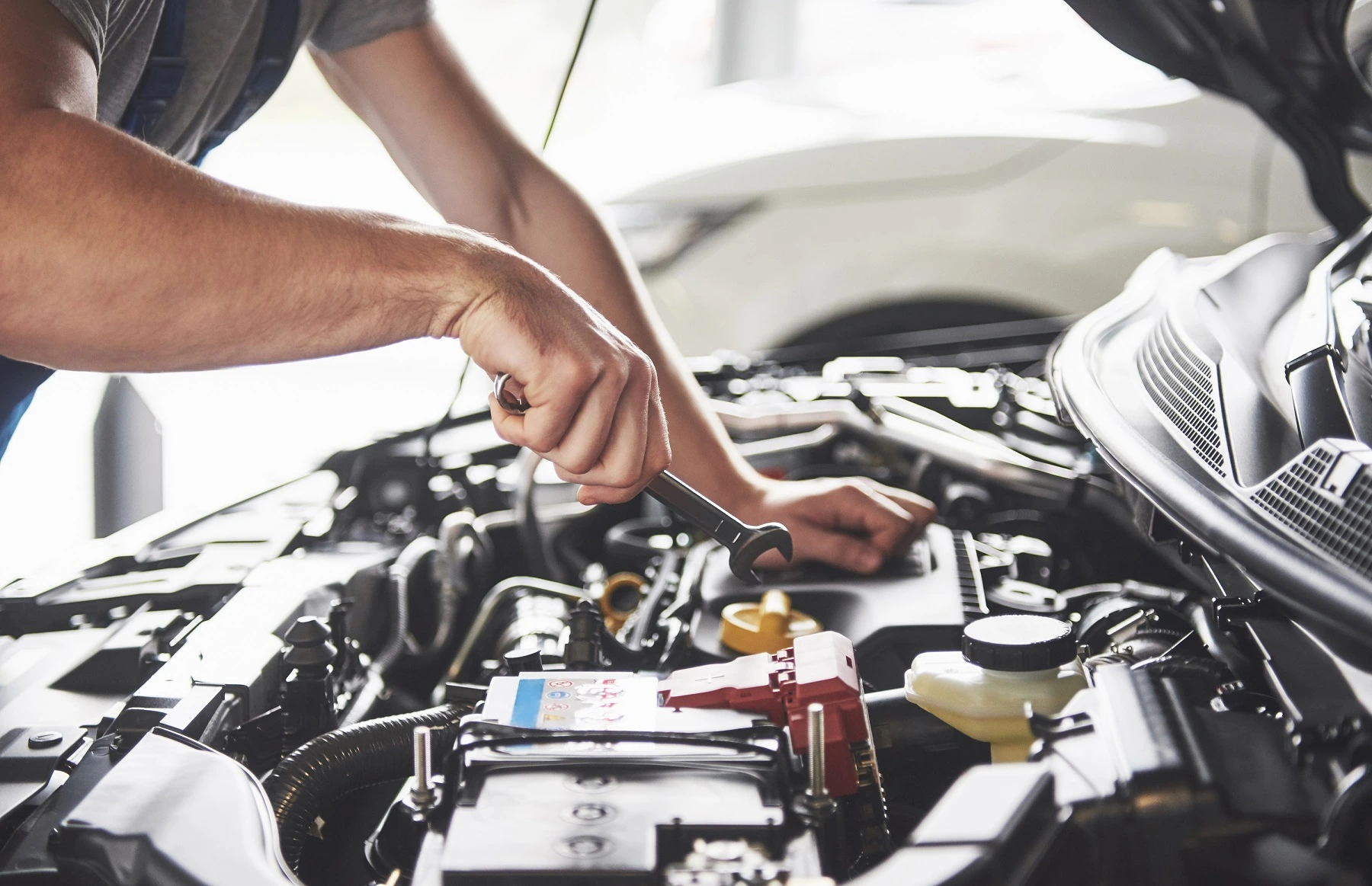
A professional auto transmission repair begins with a detailed diagnostic process. Mechanics use computerized scanners to identify trouble codes stored in your vehicle’s onboard computer. This helps pinpoint whether the problem lies in mechanical components or electronic controls. Next comes a physical inspection, where technicians check the condition of the fluid, look for leaks, and test the pressure inside the transmission system. Depending on the diagnosis, the mechanic may recommend one of three solutions: minor repairs, a rebuild, or a full transmission replacement. Rebuilding involves disassembling the unit, cleaning the parts, and replacing worn or damaged components. A replacement, on the other hand, is usually necessary when the internal damage is too severe. Certified repair shops ensure that only high-quality or OEM (Original Equipment Manufacturer) parts are used to maintain performance and reliability. This level of expertise ensures the transmission functions like new once the repair is complete.
Preventive Maintenance Tips to Extend Transmission Life
Proper maintenance is the best defense against costly transmission repairs. Checking and changing the transmission fluid regularly is essential. Experts recommend doing this every 30,000 to 60,000 miles, depending on your vehicle’s model and driving conditions. Clean fluid keeps the system cool and prevents friction buildup. Maintaining proper driving habits can also make a big difference. Avoid sudden starts and stops, don’t overload your vehicle, and allow it to warm up before driving in cold weather. Regular inspections by a trusted mechanic help detect minor leaks or worn seals before they turn into major problems. Transmission cooling systems should also be checked periodically since overheating is one of the biggest enemies of transmission longevity. Following your manufacturer’s recommended maintenance schedule ensures your transmission runs efficiently for years.
DIY vs. Professional Transmission Repair: What You Need to Know
While some drivers enjoy performing basic car maintenance at home, transmission repair is a task best left to professionals. Automatic transmissions are intricate systems made up of hundreds of parts that require specialized tools and training to handle properly. A small mistake can lead to severe damage or void your vehicle warranty. DIY fixes such as adding transmission fluid or tightening bolts might seem simple, but they often mask deeper issues that only professional diagnostics can uncover. Certified auto transmission repair shops provide precision, warranty coverage, and peace of mind. However, minor maintenance tasks like checking fluid levels or inspecting for leaks are safe for most car owners to do. For complex repairs, professional technicians ensure accuracy, proper reassembly, and long-term reliability, saving you from repeat issues.
How to Choose a Reliable Auto Transmission Repair Shop
Choosing the right repair shop can make all the difference in ensuring your transmission gets the best care. Look for facilities that employ ASE-certified technicians with proven experience in handling automatic transmissions. A reputable shop will perform a thorough diagnostic before giving an estimate, ensuring you understand exactly what needs fixing. Transparent pricing and detailed explanations of services are signs of professionalism. Always check reviews and ratings online to gauge customer satisfaction. Reliable repair shops also offer warranties on parts and labor, which gives you confidence in their work. When comparing shops, ask about their diagnostic methods, experience with your vehicle type, and turnaround time. A trustworthy mechanic will never rush the process but will keep you updated throughout the repair.
Cost Factors and What to Expect During Repair
The cost of auto transmission repair varies based on the extent of damage and vehicle model. Minor repairs such as fluid changes or sensor replacements can cost a few hundred dollars, while complete rebuilds or replacements may range from $2,000 to $5,000 or more. Factors that influence price include vehicle make and model, parts availability, and whether the repair requires specialized tools or computer calibration. Labor costs also depend on the shop’s reputation and location.
When planning your repair budget, consider these cost factors:
- Type of Repair: Simple fixes vs. full rebuilds
- Parts Used: OEM parts vs. aftermarket components
- Labor Rates: Based on technician certification and expertise
- Warranty Options: Coverage that protects against future issues
- Diagnostic Fees: Some shops apply these toward total repair costs
Getting multiple estimates is always a smart move to ensure you’re receiving fair pricing. A quality repair may cost more upfront but saves thousands in long-term reliability.
The Future of Auto Transmission Technology and Repair Trends
The automotive world is evolving rapidly, and transmission systems are no exception. Hybrid and electric vehicles use entirely different drivetrains that reduce or even eliminate traditional transmission components. Continuously Variable Transmissions (CVTs) are also becoming more popular due to their efficiency and smoother operation. Modern repair shops are investing in advanced diagnostic tools that use artificial intelligence to detect issues faster and more accurately. Eco-friendly transmission fluids designed to reduce friction and improve fuel economy are now available. Staying informed about these technological advances helps drivers make smarter maintenance decisions. As cars become more connected, transmission systems will continue to evolve, requiring technicians to stay up to date with ongoing training and certification.
Frequently Asked Questions (FAQ)
What are the most common signs of transmission failure?
Slipping gears, delayed shifting, fluid leaks, and burning smells are major warning signs.
How long does an auto transmission typically last?
With proper maintenance, most automatic transmissions can last 150,000 to 200,000 miles or more.
Is it cheaper to rebuild or replace a transmission?
Rebuilding is often less expensive than replacing, but it depends on the damage and the quality of parts used.
Can I drive with a slipping transmission?
It’s risky to do so, as driving with a failing transmission can cause further damage and create safety hazards.
How often should I change my transmission fluid?
Typically every 30,000 to 60,000 miles, but always refer to your vehicle manufacturer’s recommendations.
Does using synthetic transmission fluid make a difference?
Yes, synthetic fluids resist heat better and last longer, providing better protection for modern transmissions.
Takeaway
Your vehicle’s transmission is its lifeline, controlling how power moves from the engine to the wheels. Keeping it in top shape requires attention, maintenance, and choosing the right professionals for repair. By recognizing early warning signs, maintaining good driving habits, and scheduling routine checks, you can extend the life of your transmission and enjoy smooth, reliable driving for years. When issues arise, always trust certified auto transmission repair experts who understand your vehicle’s specific needs and can restore its performance with precision and care.